
Noticing tiny black bugs in your bathroom can be unsettling—especially when they keep coming back no matter how often you clean.
These tiny pests are usually a sign of excess moisture, hidden buildup, or sometimes a larger issue inside your home. The good news is that most bathroom bugs can be eliminated once you identify the cause.
In this guide, you’ll learn:
✔ What these tiny black bugs may be
✔ Why they appear in bathrooms
✔ How to remove them effectively
✔ How to prevent them from coming back
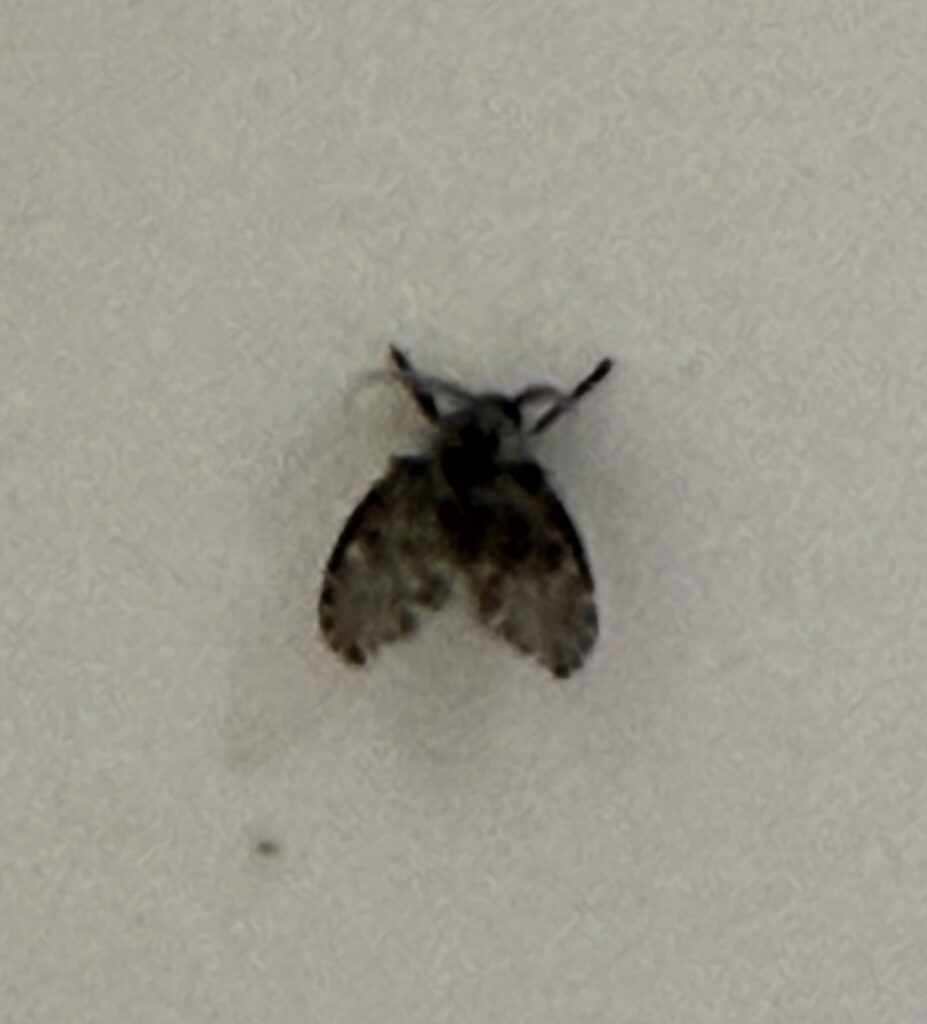
🐛 What Are the Small Black Bugs in Your Bathroom?
🐛 What Are the Tiny Black Bugs in Your Bathroom?
When homeowners describe “tiny black bugs in the bathroom,” they are often referring to several different insects. Identifying them correctly is important because the treatment method depends on the source.
Common Types of Tiny Black Bathroom Bugs
| Bug Type | Appearance | Usually Found Near | Common Cause |
|---|---|---|---|
| Drain Flies | Small fuzzy moth-like wings | Drains, sinks, tubs | Organic buildup in pipes |
| Fungus Gnats | Small flying insects with long legs | Houseplants, damp areas | Excess moisture |
| Springtails | Tiny jumping insects | Shower edges, grout | High humidity |
| Booklice | Tiny pale-gray insects | Cabinets, paper products | Moist conditions |
| Sewer Flies | Small dark flies | Drain openings | Dirty standing water |
1. Drain Flies (Most Common)
Drain flies are among the most common insects found in bathrooms.
Characteristics:
- Tiny dark bodies
- Fuzzy moth-like wings
- Slow flight pattern
- Usually appear near sinks or shower drains
These insects breed inside organic material that builds up in drains.
➡️ Related guide: Drain Flies in Bathroom: Causes and How to Get Rid of Them
2. Fungus Gnats
Fungus gnats:
- Small flying insects
- Prefer moisture and mold
- Often originate from nearby plants or damp materials
➡️ Related: Gnats in Bathroom: Causes and Solutions
3. Springtails
Springtails are:
- Extremely small
- Dark-colored
- Able to jump
While harmless, they almost always indicate excessive moisture.
4. Sewer Flies
Sewer flies resemble drain flies and often develop around:
- Dirty drains
- Standing water
- Plumbing problems
💧 Why Are Tiny Black Bugs Appearing in Your Bathroom?
Bathroom bugs do not appear randomly. They are attracted by conditions that help them survive and reproduce.
1. Excess Moisture
Bathrooms naturally create humidity.
Common sources:
- Steam from hot showers
- Wet floors
- Damp walls
- Poor ventilation
Moisture problems can eventually contribute to mold growth.
➡️ Related: Mold in Basement Walls: Causes and Solutions
2. Dirty or Clogged Drains
Drains often collect:
- Hair
- Soap residue
- Organic buildup
- Biofilm
These materials become ideal breeding environments.
3. Hidden Plumbing Leaks
Small leaks can go unnoticed for months.
Check areas such as:
- Under sinks
- Behind toilets
- Inside cabinets
- Around plumbing connections
➡️ Related: Water Dripping Sound in Walls
4. Mold and Mildew
Some insects feed directly on microorganisms and fungi.
A persistent musty smell combined with bugs may indicate a larger moisture issue.
➡️ Related: Why Does My Bathroom Smell Musty?
🔄 Why Tiny Black Bugs Keep Coming Back
Many homeowners remove the visible insects and think the problem has been solved.
Then the bugs return a few days later.
This usually happens because the source remains untouched.
Common reasons:
✔ Dirty drains
✔ Excess humidity
✔ Moisture trapped under sinks
✔ Wet bath mats
✔ Hidden plumbing leaks
✔ Condensation around windows
Removing insects without fixing moisture problems often provides only temporary relief.
🧼 How to Get Rid of Tiny Black Bugs (Step-by-Step)
Step 1: Clean Your Drains
This is often the most important step.
✔ Pour boiling water down drains
✔ Use baking soda and vinegar
✔ Scrub drain openings if possible
✔ Remove visible debris
➡️ Related: Drain Flies in Bathroom: Causes and How to Get Rid of Them
Step 2: Remove Excess Moisture
✔ Run the bathroom exhaust fan
✔ Wipe wet surfaces after showers
✔ Improve ventilation
✔ Open windows if possible
Step 3: Deep Clean Hidden Areas
Focus on:
- Grout lines
- Sink cabinets
- Behind toilets
- Corners
- Around plumbing fixtures
Step 4: Fix Any Leaks
Even small plumbing leaks can support insects.
➡️ Related: Water Leak Under Sink: Causes and Fixes
Step 5: Use Natural or Chemical Treatments
Possible treatments include:
- Vinegar sprays
- Enzyme drain cleaners
- Sticky traps
- Insect traps
✅ Quick Bathroom Bug Prevention Checklist
Use this checklist regularly:
□ Run exhaust fans during and after showers
□ Clean drains monthly
□ Keep bath mats dry
□ Fix plumbing leaks quickly
□ Reduce standing water
□ Seal gaps around pipes
□ Check houseplants for excess moisture
⚠️ When Tiny Bathroom Bugs May Signal a Bigger Problem
Most bathroom bugs are harmless.
However, investigate further if you notice:
- Musty odors
- Water stains
- Peeling paint
- Soft drywall
- Visible mold
- Recurring infestations
Sometimes insects are only symptoms of a larger moisture issue.
➡️ Related: Can a Roof Leak Cause Mold?
👷 When to Call a Professional
Consider professional help if:
- Bugs continue returning after cleaning
- The infestation spreads
- You suspect mold growth
- You suspect structural moisture damage
Frequently Asked Questions
Why do I suddenly have tiny black bugs in my bathroom?
Tiny black bugs usually appear because of moisture, drain buildup, standing water, or mold-related conditions.
Will bleach kill bugs in bathroom drains?
Bleach may kill some insects temporarily but often does not remove the organic material where eggs and larvae live.
Can mold attract tiny bathroom bugs?
Yes. Damp environments that support mold growth can attract fungus gnats, springtails, and similar insects.
Are tiny black bugs dangerous?
Most bathroom bugs are harmless, but recurring infestations may indicate hidden moisture or plumbing problems.
Tiny black bugs in your bathroom are often a symptom rather than the real problem.
By addressing moisture, cleaning drains, and fixing hidden issues, you can usually eliminate the bugs and keep them from returning permanently.